


La Vida de Samuel
Carrusel de imágenes para esta exposición bíblica
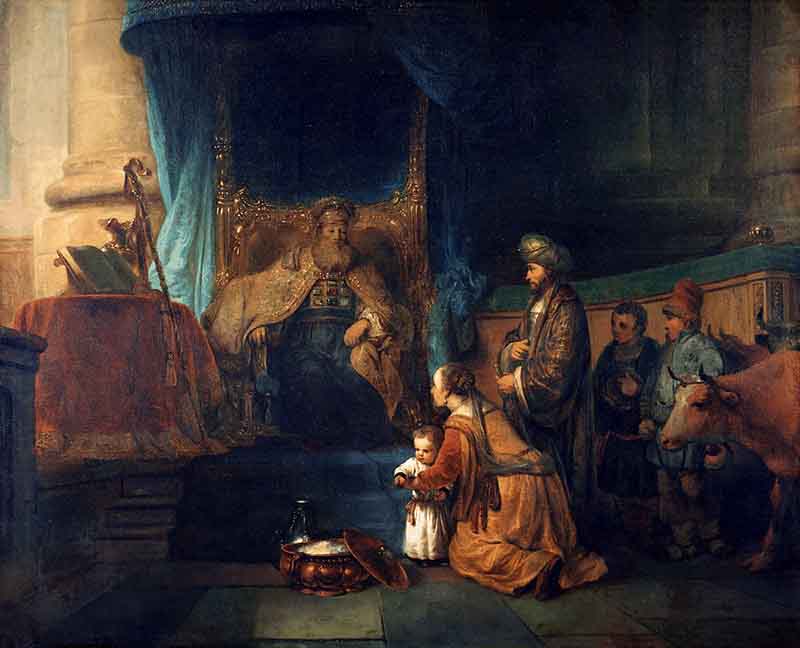
Hannah Presents Samuel to the Priest Eli
This is the tender moment when Hannah fulfills her vow to the Lord by presenting her son Samuel to Eli for a life of service in the house of God (1 Samuel 1:24-28). It reflects a heart of deep surrender and trust, reminding us that every gift from God is to be offered back to Him for His purposes and glory.
Samuel, cuyo nombre significa «nombre de Dios», fue un profeta del siglo XI a.C., considerado el último de los jueces que gobernaron Israel. Nacido en el seno de la familia levita de Elcana y Ana, su nacimiento fue la respuesta de Dios a la oración de su madre por un hijo. Ana había prometido consagrar a su hijo como Nazareo, por lo que lo llevó a Elí, el sacerdote en Silo, después de destetarlo.
Bajo la supervisión de Elí, Samuel sirvió a Dios en el santuario de Silo. Aunque Dios raramente hablaba en los días de los jueces, frecuentemente hablaba con Samuel, cuya reputación se extendió por todo Israel [BIBLE, 1 Samuel 3:19-21]. Dios llamó a Samuel para que profetizara juicio contra la casa de Elí por la maldad de los hijos del sacerdote y llamó al pueblo de Israel a arrepentirse y dejar de lado su idolatría.
Veinte años después de la tremenda derrota israelita en Afec y de la pérdida del arca de la alianza a manos de los filisteos, Dios utilizó a Samuel para restaurar Israel. Sirvió como juez, reuniendo a las tribus, renovando el pacto con Dios y liberando a Israel de los filisteos en Mizpa. Juzgó a Israel todos los días de su vida desde su casa en Ramá, administrando justicia cada año dentro del circuito que abarcaba Betel, Gilgal y Mizpa [BIBLE, 1 Samuel 7:1-17].
La contribución más significativa de Samuel fue su papel en el establecimiento de la monarquía israelita. En su vejez, nombró jueces a sus hijos Joel y Abías, pero al igual que los hijos de Elí, se corrompieron, aceptando sobornos y pervirtiendo la justicia. Este fracaso y el deseo de un rey que los guiara en la batalla llevaron a los ancianos de Israel a pedir al profeta un rey como el de todas las naciones. Aunque Samuel lo desaprobó, obedeció el mandato de Dios y accedió a su petición, ungiendo rey a Saúl. Samuel continuó reprendiendo al pueblo sobre los peligros de la monarquía, registró los derechos y deberes del rey y los presentó ante el Señor [BIBLE, 1 Samuel 8:1-22]. Cuando el rey Saúl usurpó el papel de profeta de Samuel y desobedeció la palabra del Señor, Dios ordenó a Samuel que rechazara la monarquía de Saúl y ungiera a David como sucesor de Saúl.
Samuel recordó su firme ejemplo en su discurso de despedida y amonestó al pueblo para que sirviera fielmente al Señor. Les advirtió del desastre que les aguardaba si seguían por malos caminos. Samuel se retiró a su casa en Ramá, donde murió y fue enterrado durante la persecución de Saúl a David. Las generaciones posteriores le tuvieron en la más alta estima como intercesor, solo superado por Moisés como amado de Dios [BIBLE, Jeremías 15:1]. Durante la vida de Samuel, Israel pasó de ser un conjunto de tribus gobernadas por varios jueces temporales a una nación gobernada por un rey. Samuel actuó como juez, profeta y sacerdote fiel, prefigurando la obra de Cristo como profeta, sacerdote y rey.
